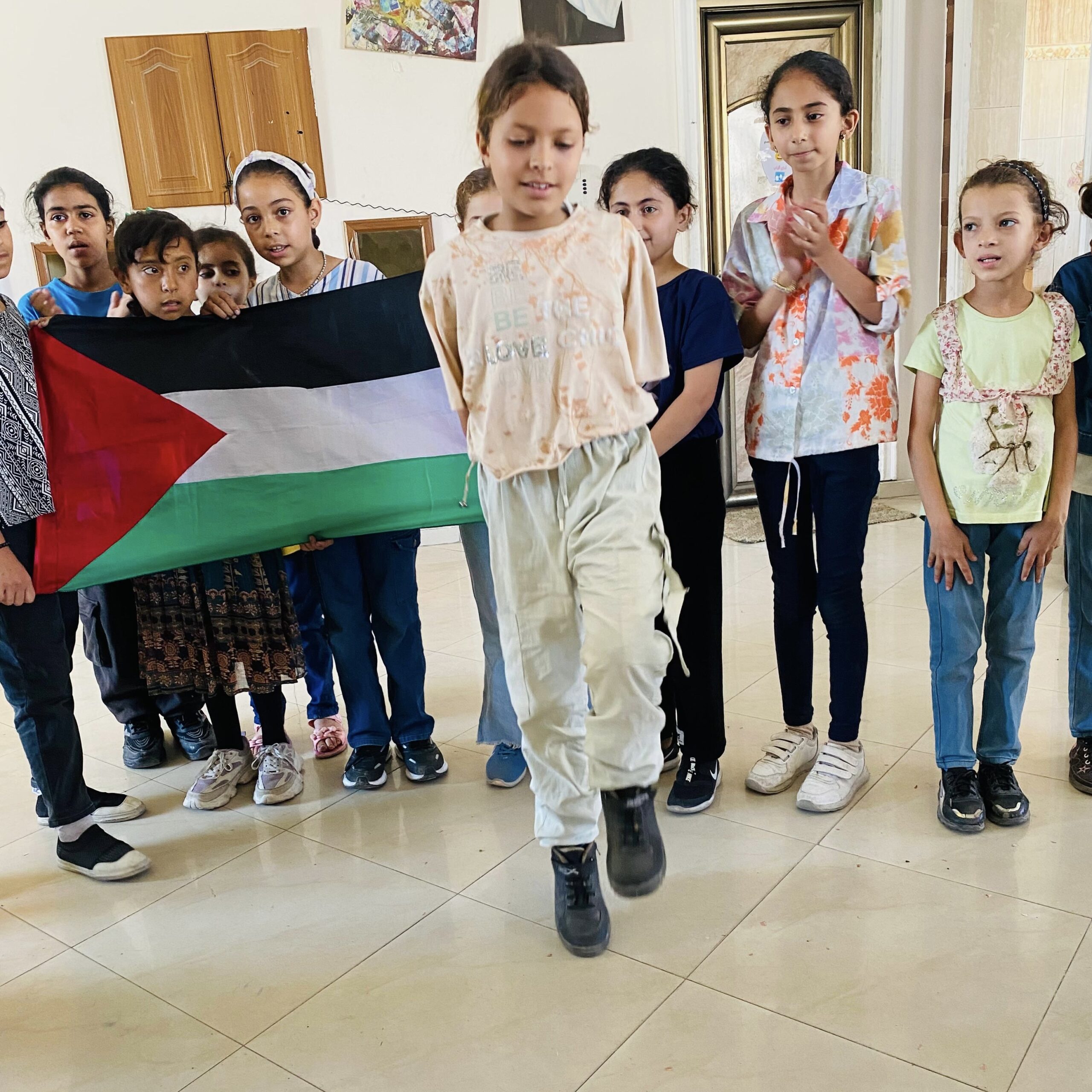
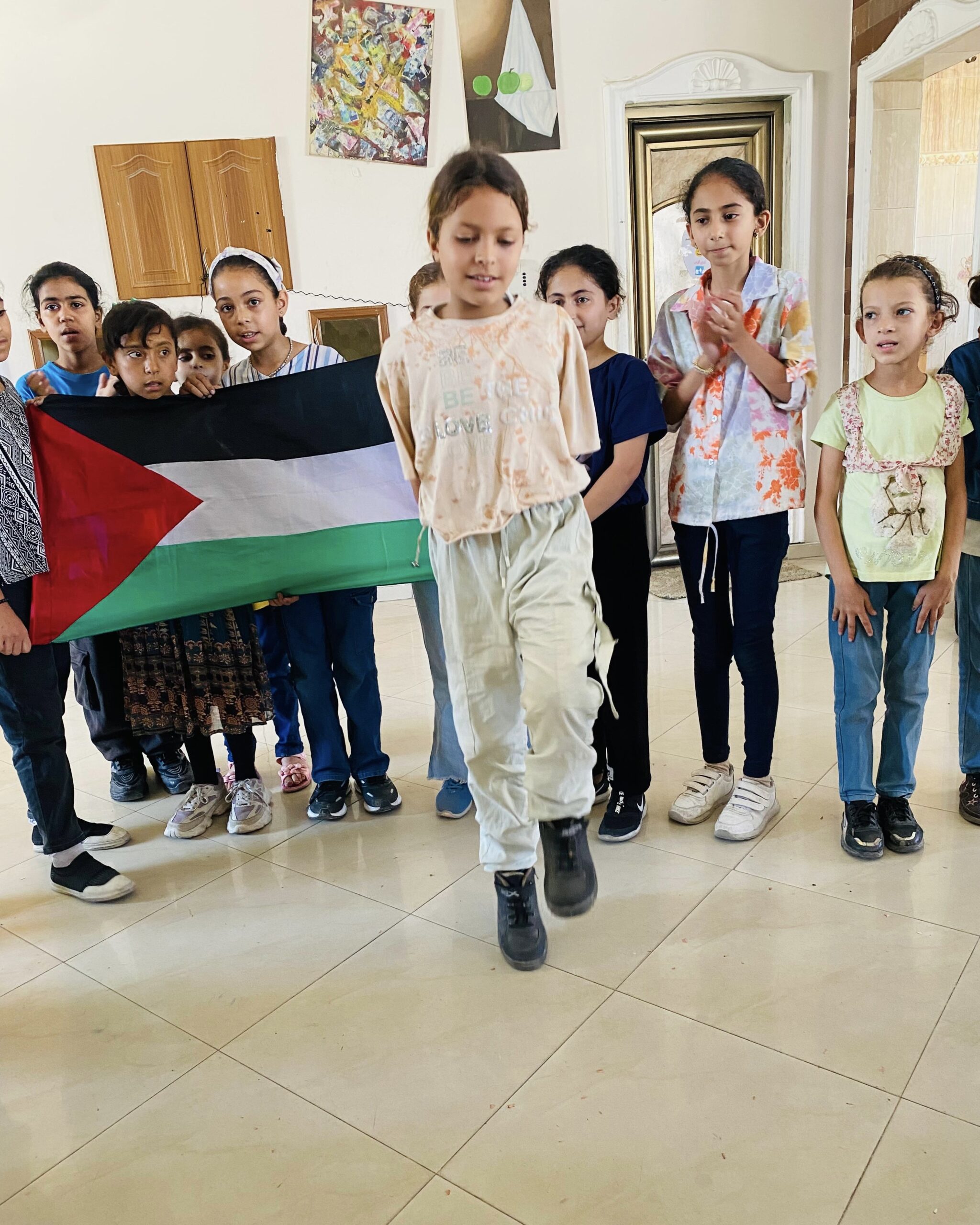
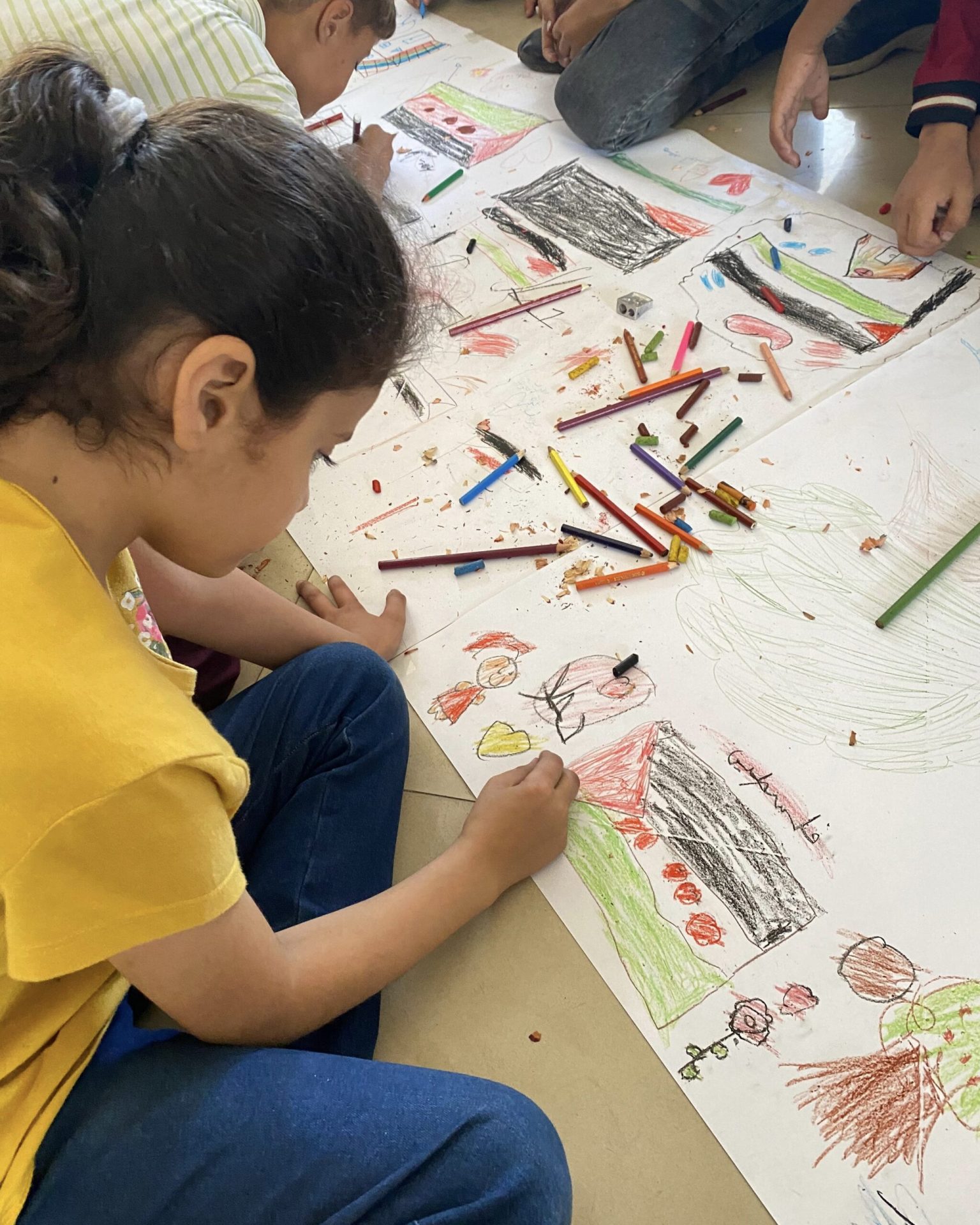
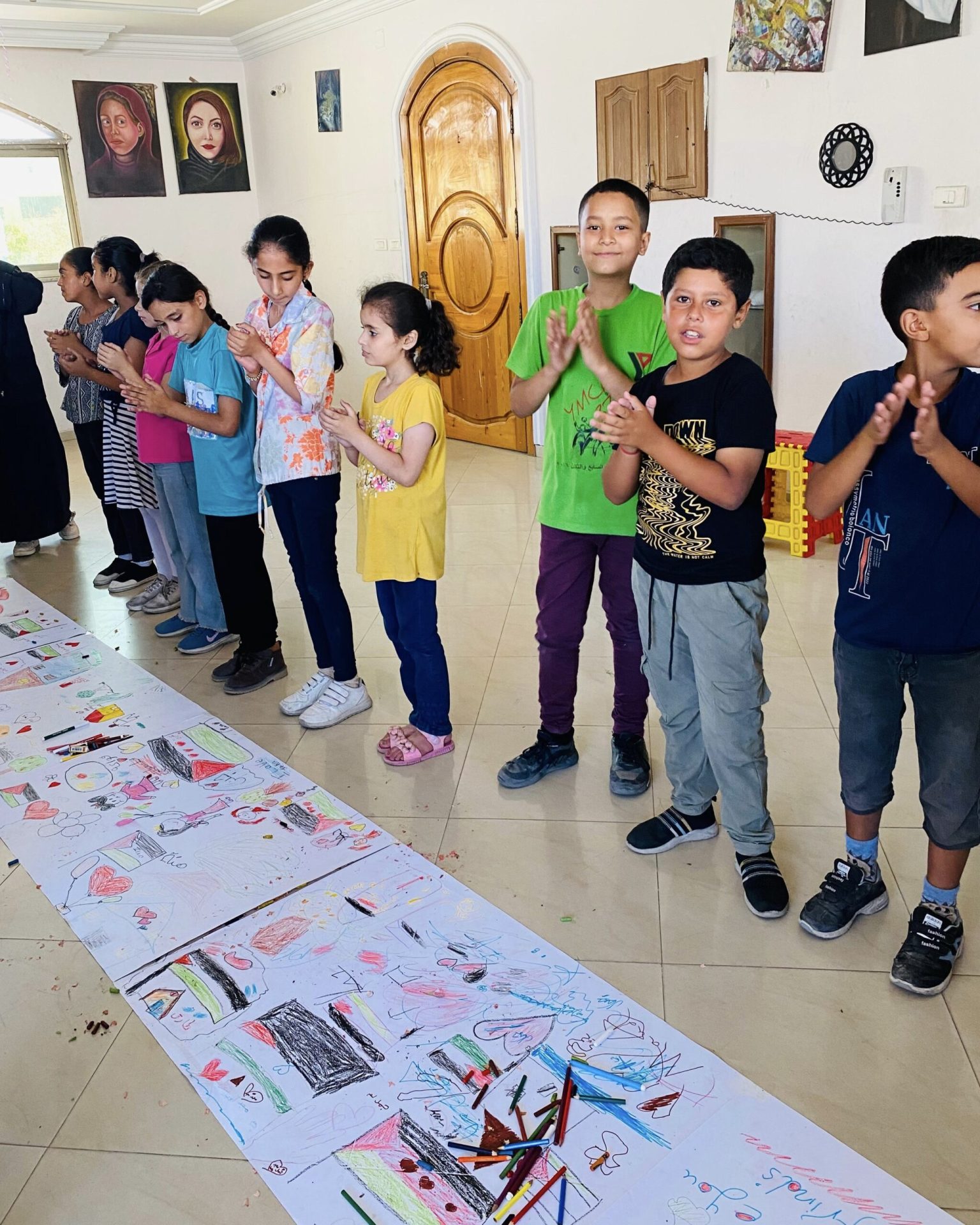
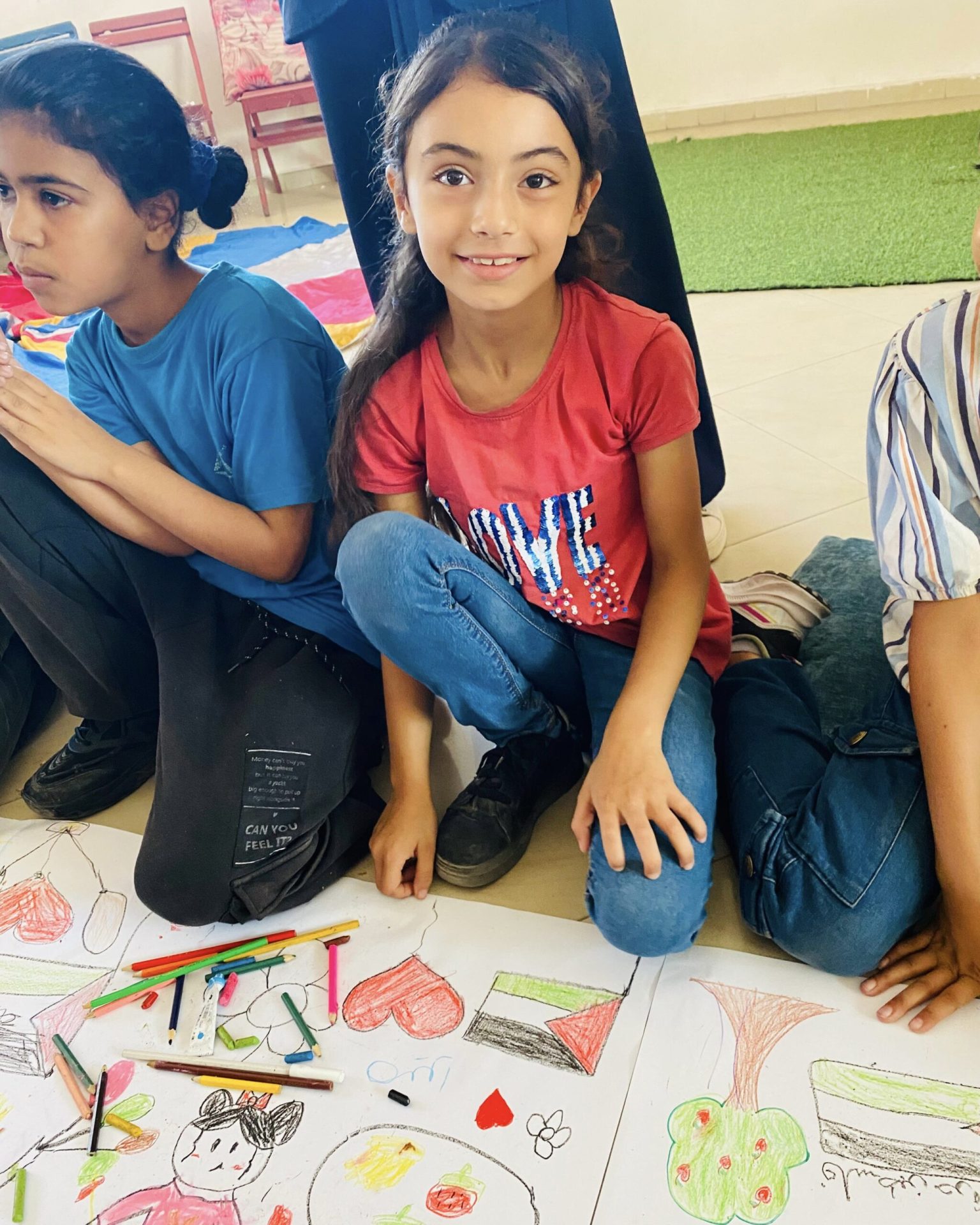
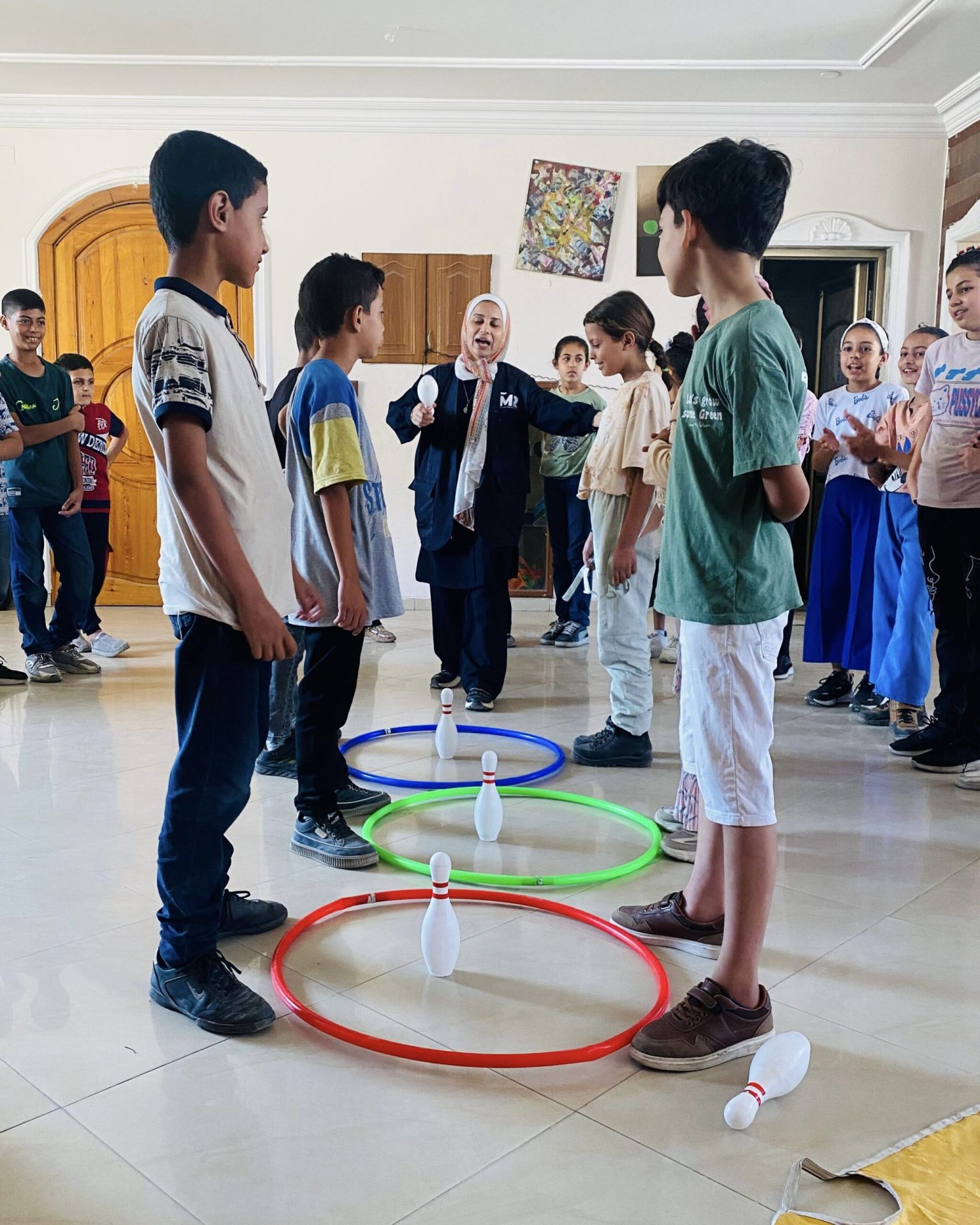
A child who misses even one year of education loses far more than time in the classroom. They risk losing confidence, opportunity, and a sense of what their future could be. IMRelief believes education is not a post-crisis luxury — it is a lifeline that continues through the crisis itself.
The Challenge
For many children, access to education is not guaranteed.
Conflict, displacement, and limited resources disrupt learning — leaving children without safe, consistent access to education. This affects not only their development today, but their opportunities for the future.
Physical Destruction
When schools are damaged, learning stops.
Schools are among the most affected structures in conflict — whether through direct targeting or collateral damage. Without a safe space, education cannot continue.
Displacement
Instability disrupts continuity.
Children who are repeatedly displaced cannot maintain consistent enrollment. Schools may be in different neighborhoods, cities, or even countries from where families settle.
Economic Pressure
Survival often takes priority over schooling.
In crisis settings, families may pull children — especially girls — out of school to work, support the household, or care for younger siblings. Education efforts must respond to these realities.
Psychological Barriers
Trauma affects the ability to learn.
Children who have experienced conflict and displacement often carry trauma that impacts concentration, engagement, and overall learning. Education programs must take this into account.
Regulatory Barriers
Access is not always guaranteed.
Refugee children may face legal restrictions when accessing national education systems, limiting their ability to enroll and continue learning.
How We Support Learning
We deliver education programs that respond directly to these barriers — helping children return to learning and continue their development.
Education Support
Helping children access and continue learning.
Supporting access to learning opportunities
Providing essential educational materials
Helping children remain in education despite disruption
Safe Learning Environments
Creating stability where learning can happen.
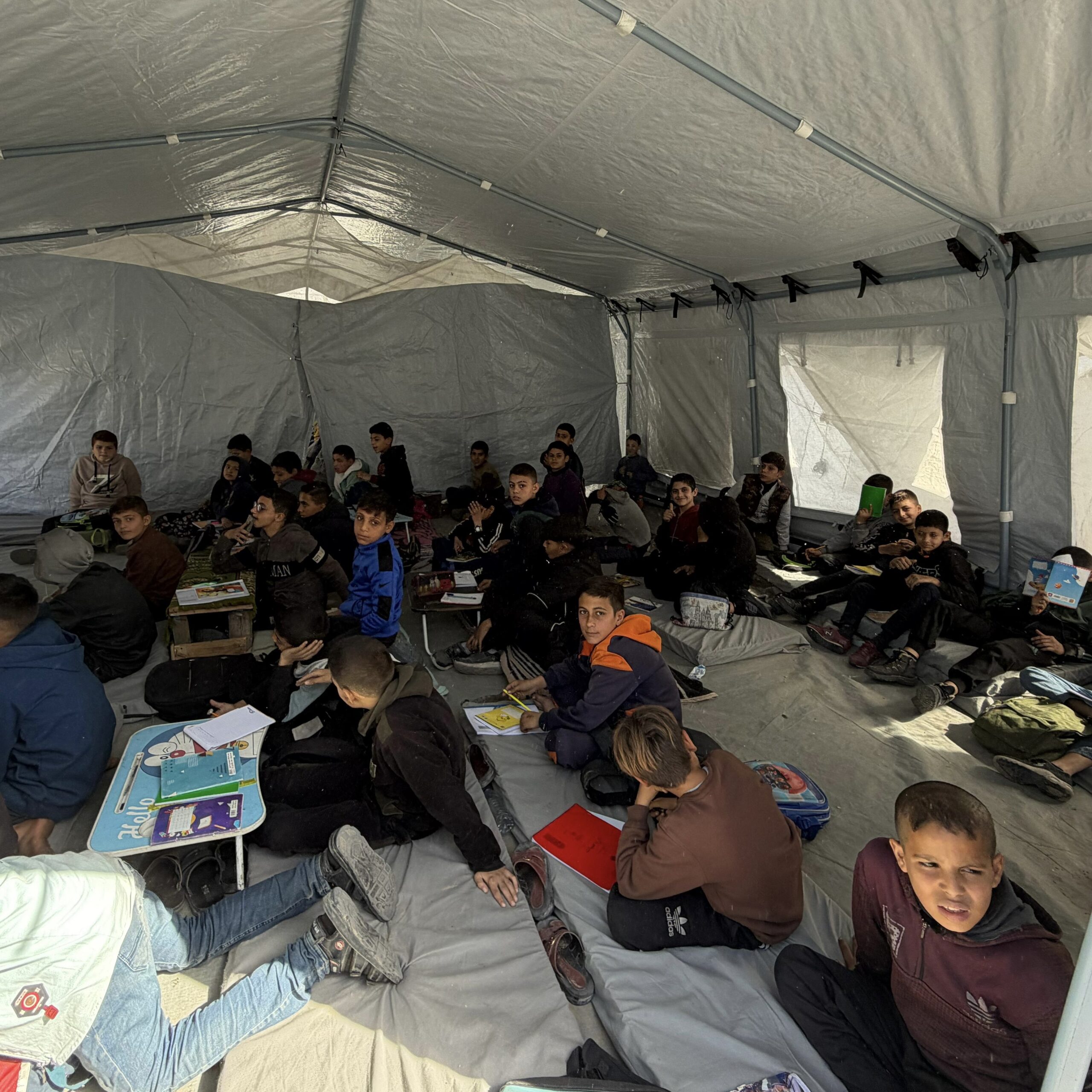
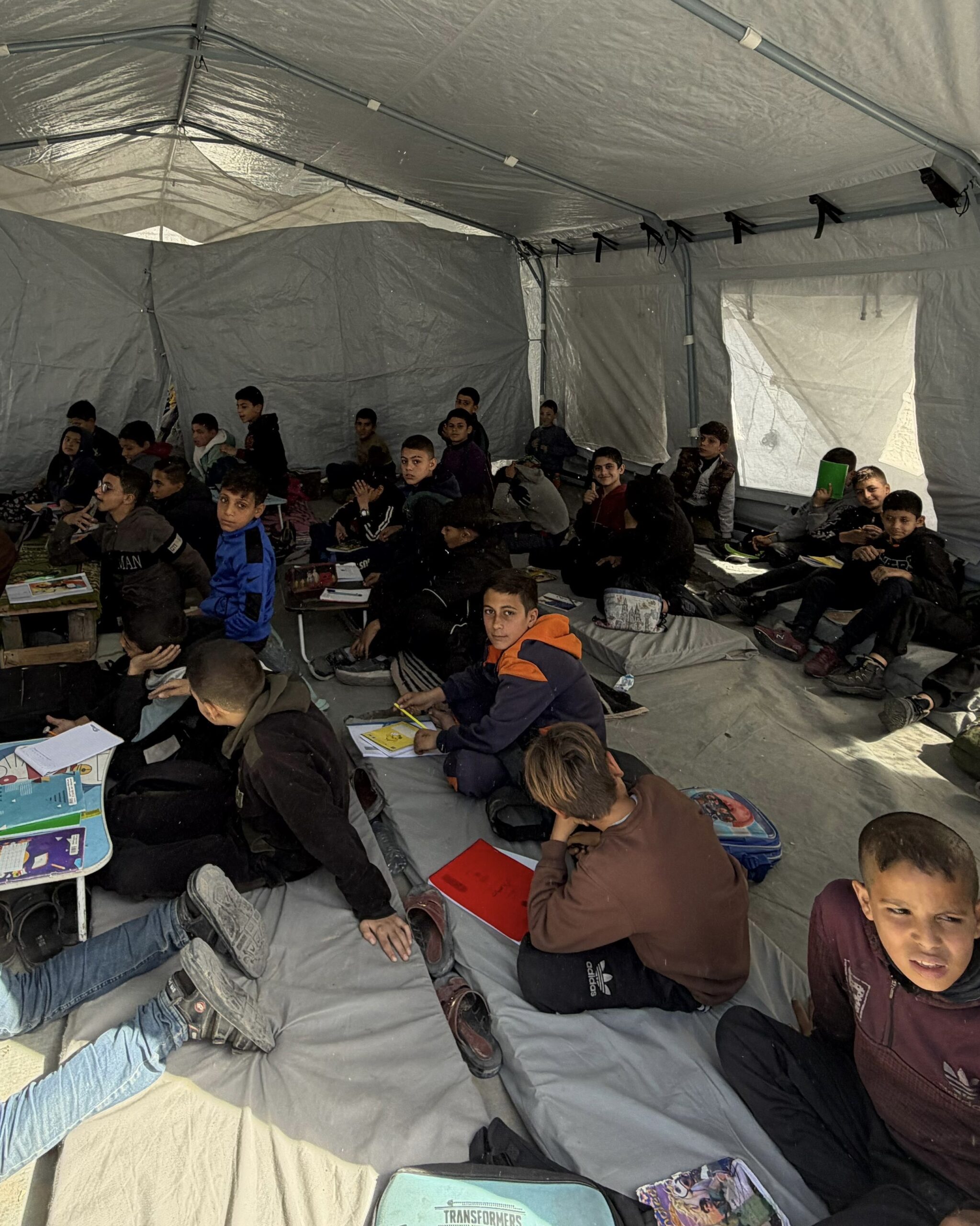
Supporting safe, structured learning spaces
Promoting consistent participation
Enabling focused learning
Psychosocial Support
Supporting well-being alongside education.
Supporting emotional and social development
Encouraging engagement in learning
Helping children rebuild confidence
Our Approach
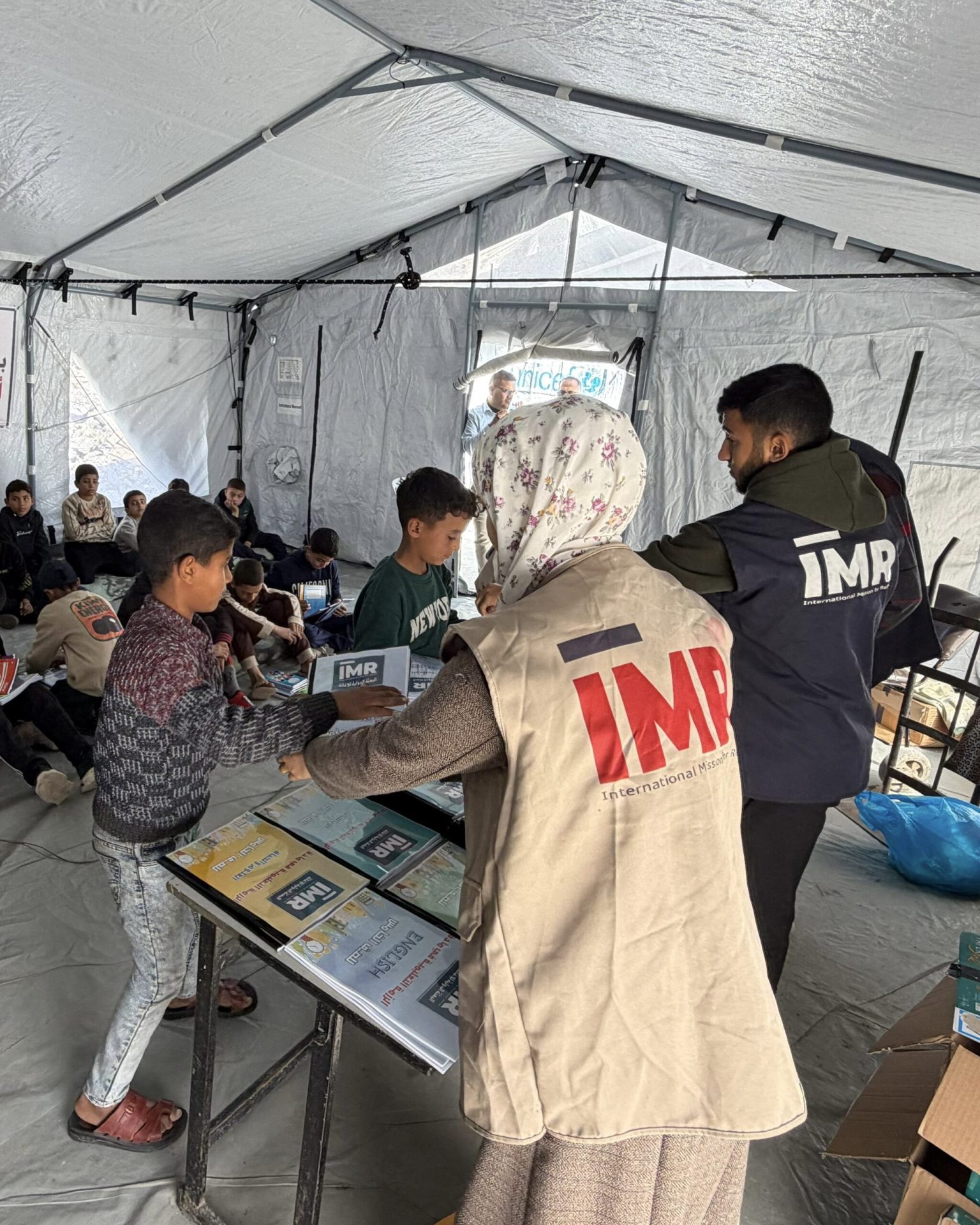
IMRelief designs education programs that address these barriers — not just the absence of school buildings. Our work focuses on practical support that enables children to return to learning, continue their education, and build stability despite ongoing challenges.
Learning Materials Production
Ensuring classrooms can function from day one.
In many crisis settings, educational materials are unavailable — destroyed, left behind, or not adapted to the local context. IMRelief produces and provides essential learning materials, including:
Textbooks and workbooks
Activity sheets
Pencils and school bags
Teacher guides
Locally produced materials are tailored to the language, curriculum, and cultural context of the communities they serve — ensuring relevance and usability from the moment learning begins.
Help a child return to learning — support access to education today.
Take Action
Help improve access to safe water
With your support, we can continue delivering water solutions to communities that need them most.
$50
One month of vocational training for one young person