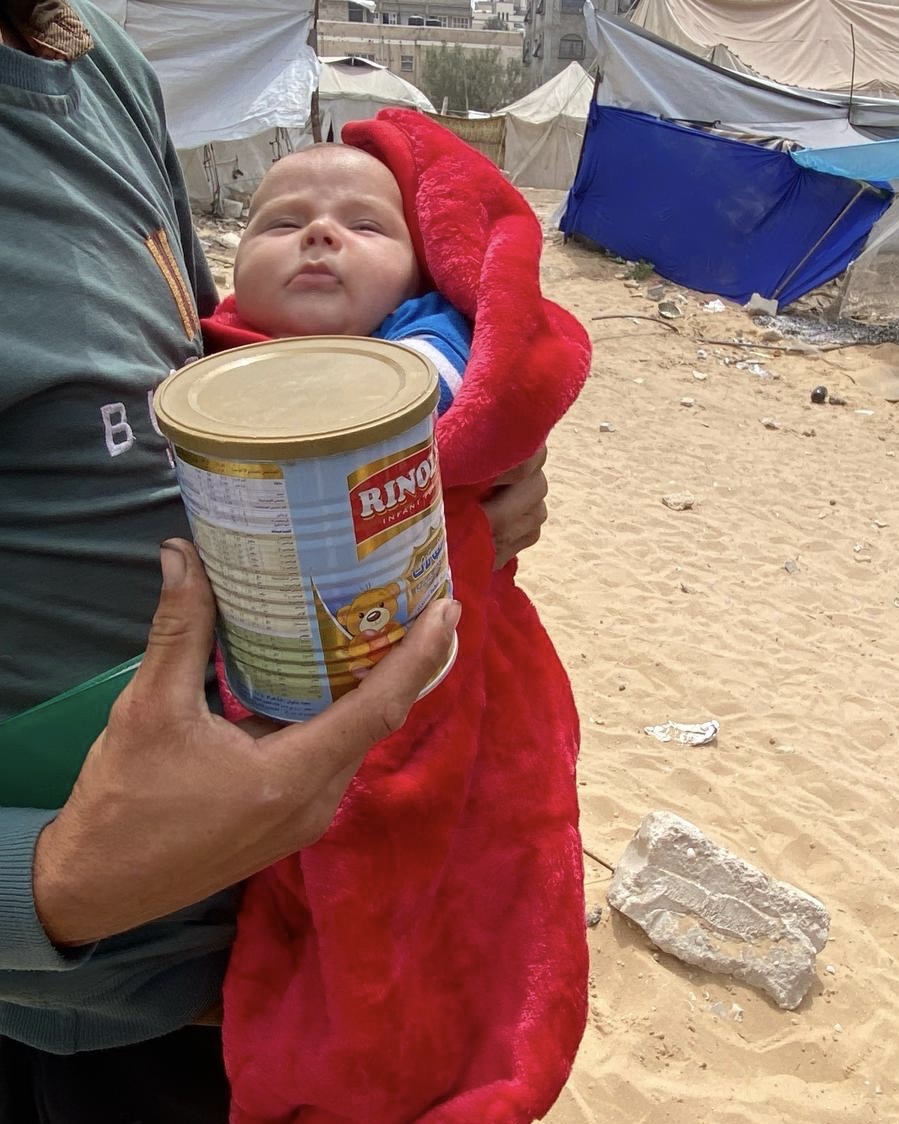
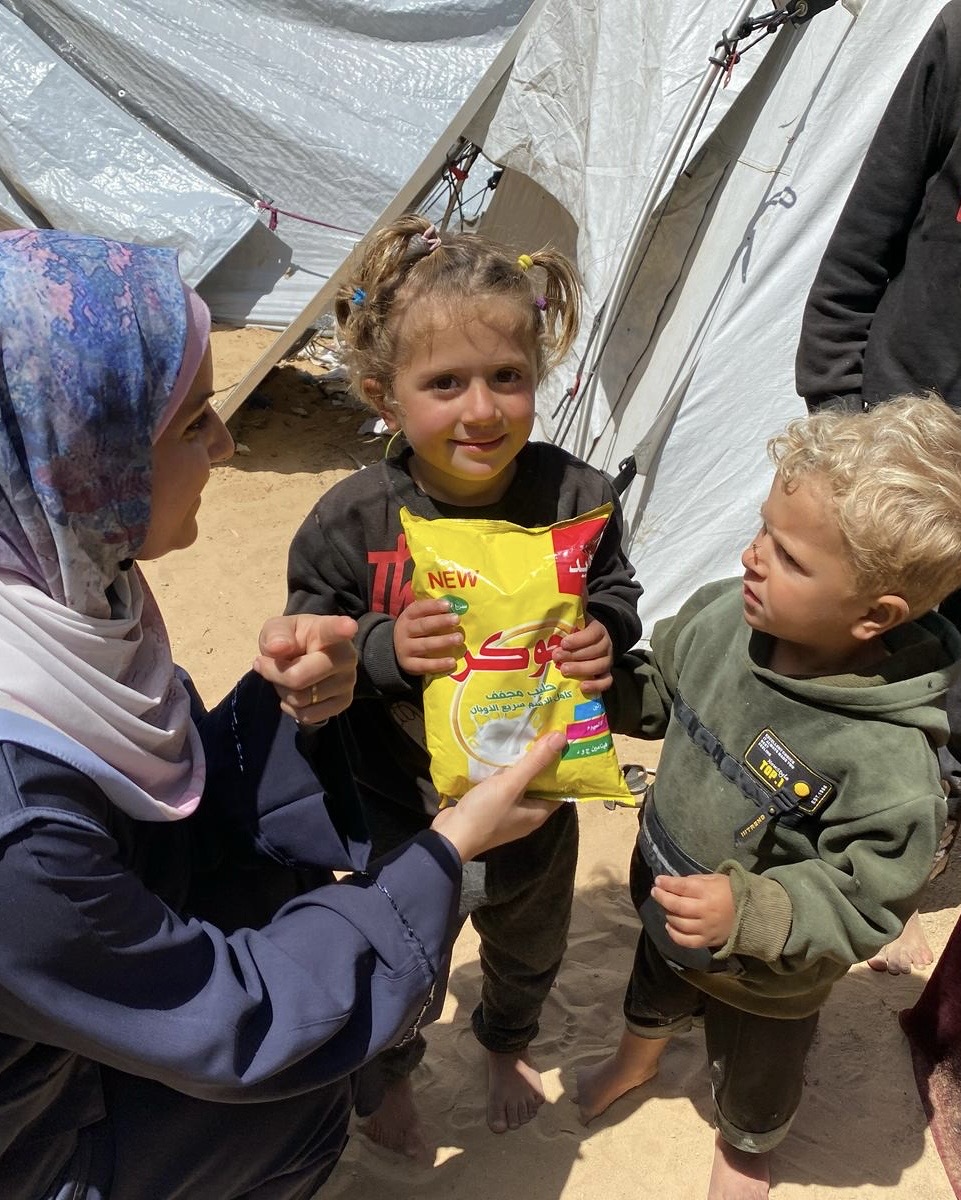
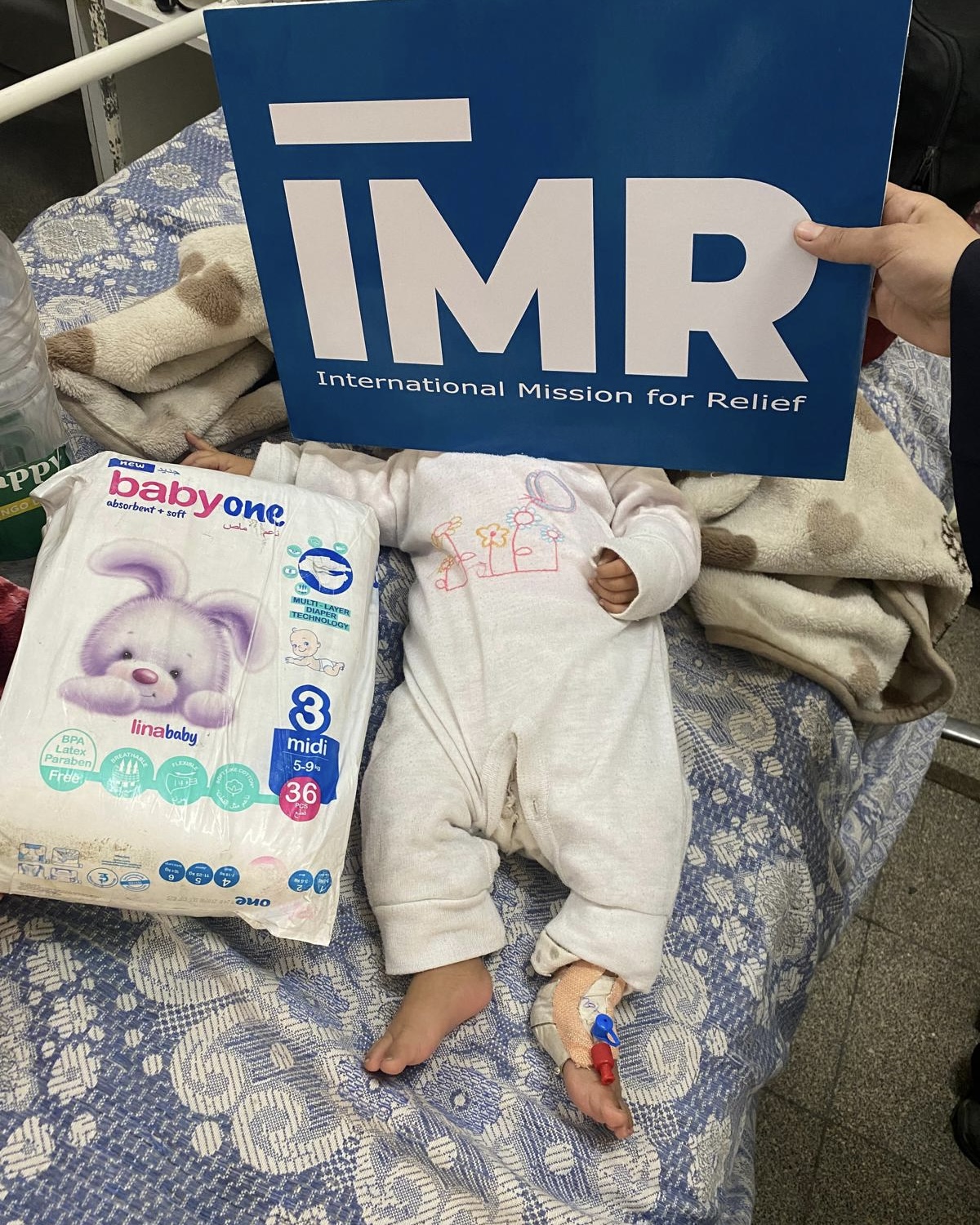
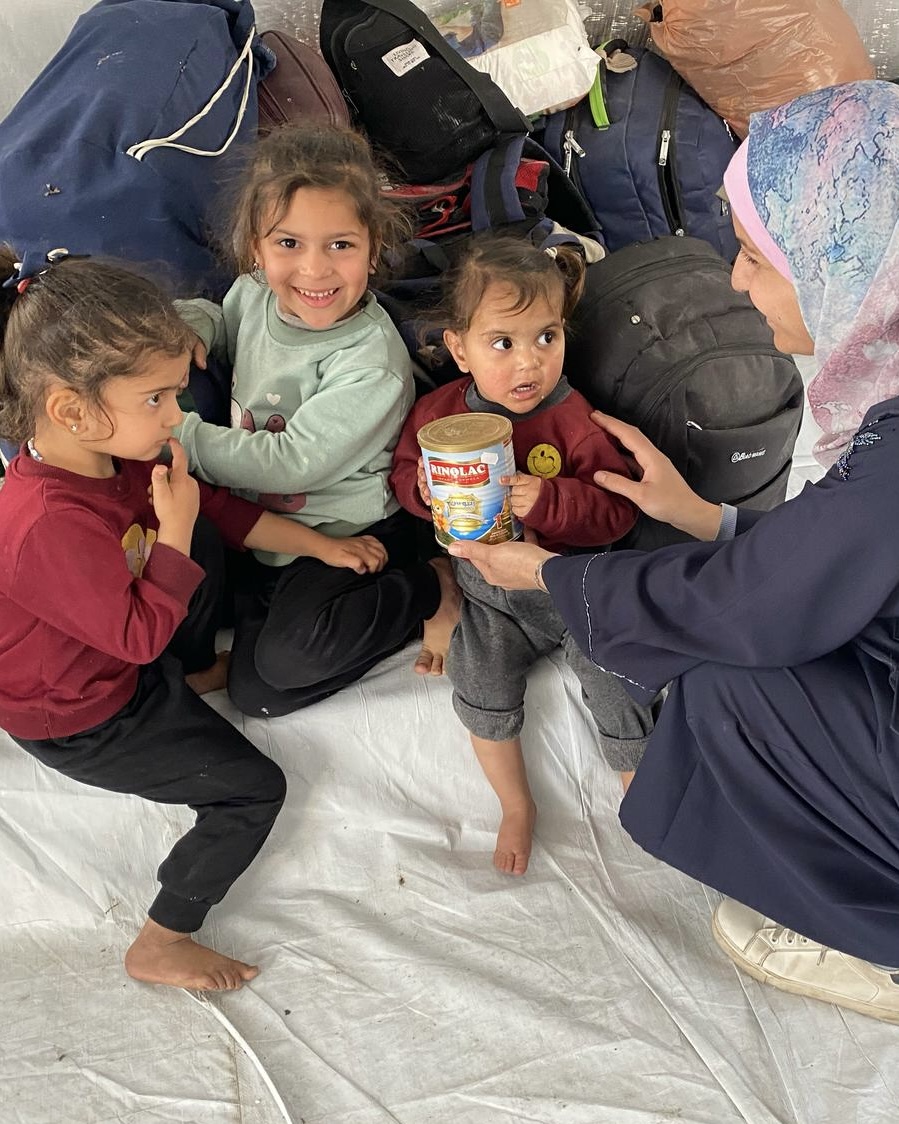
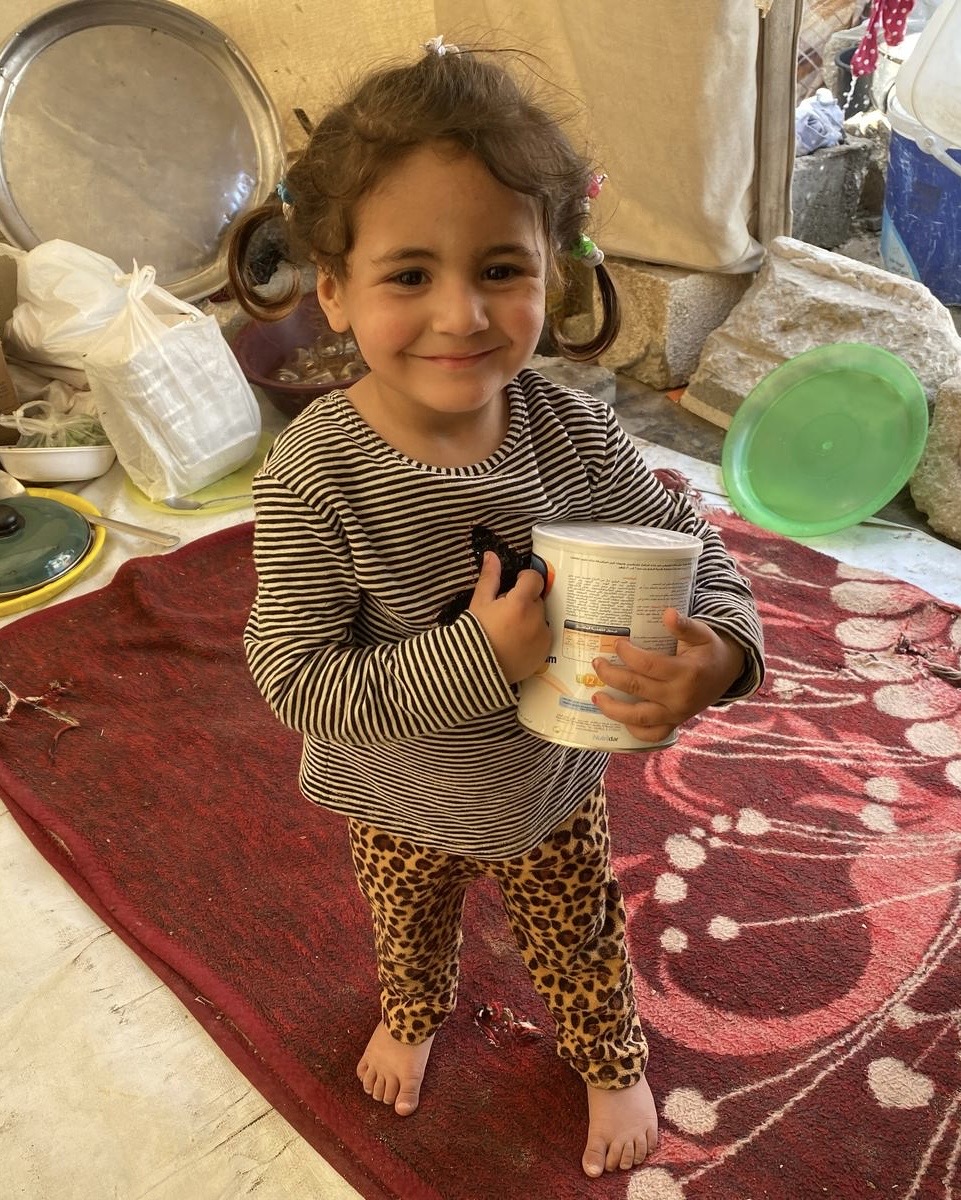
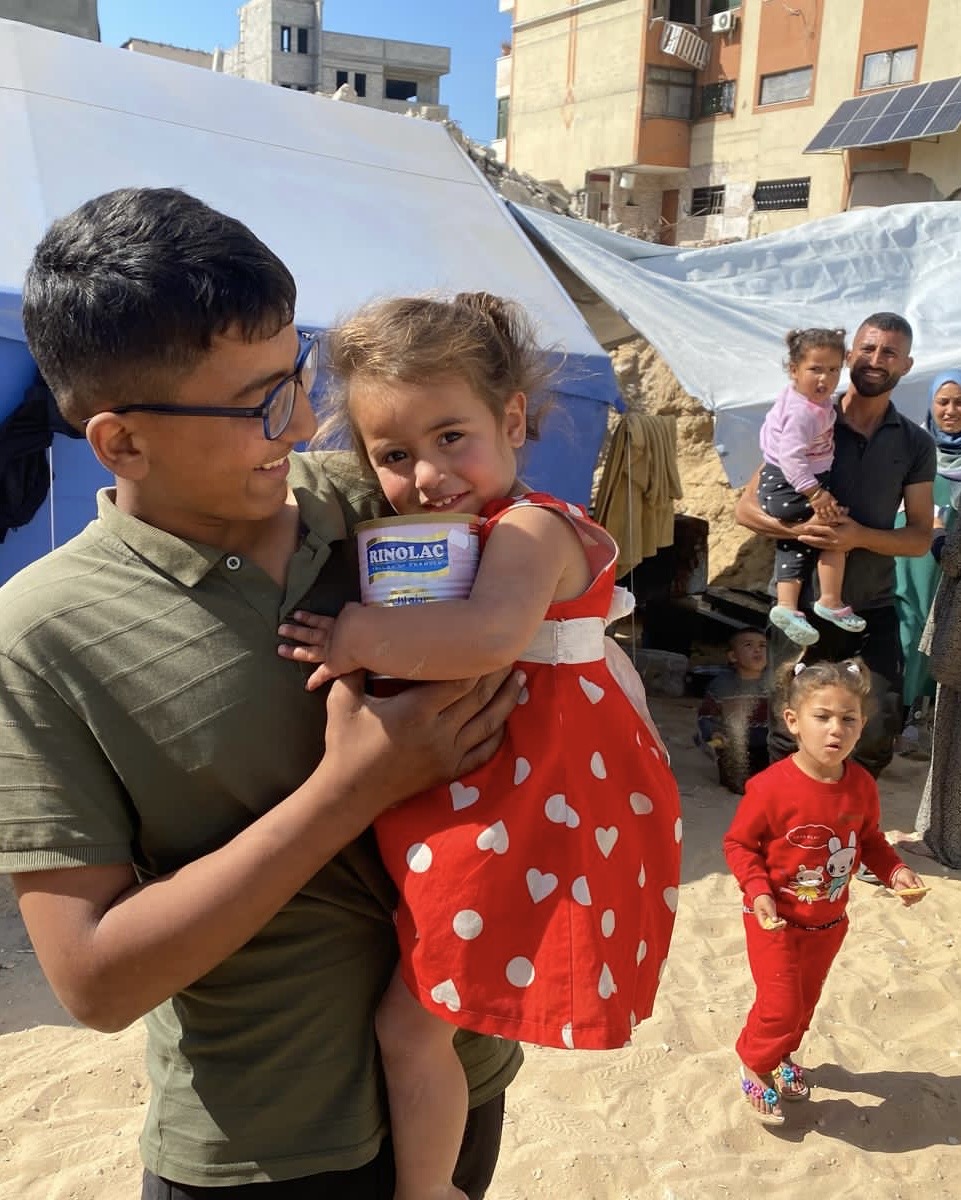
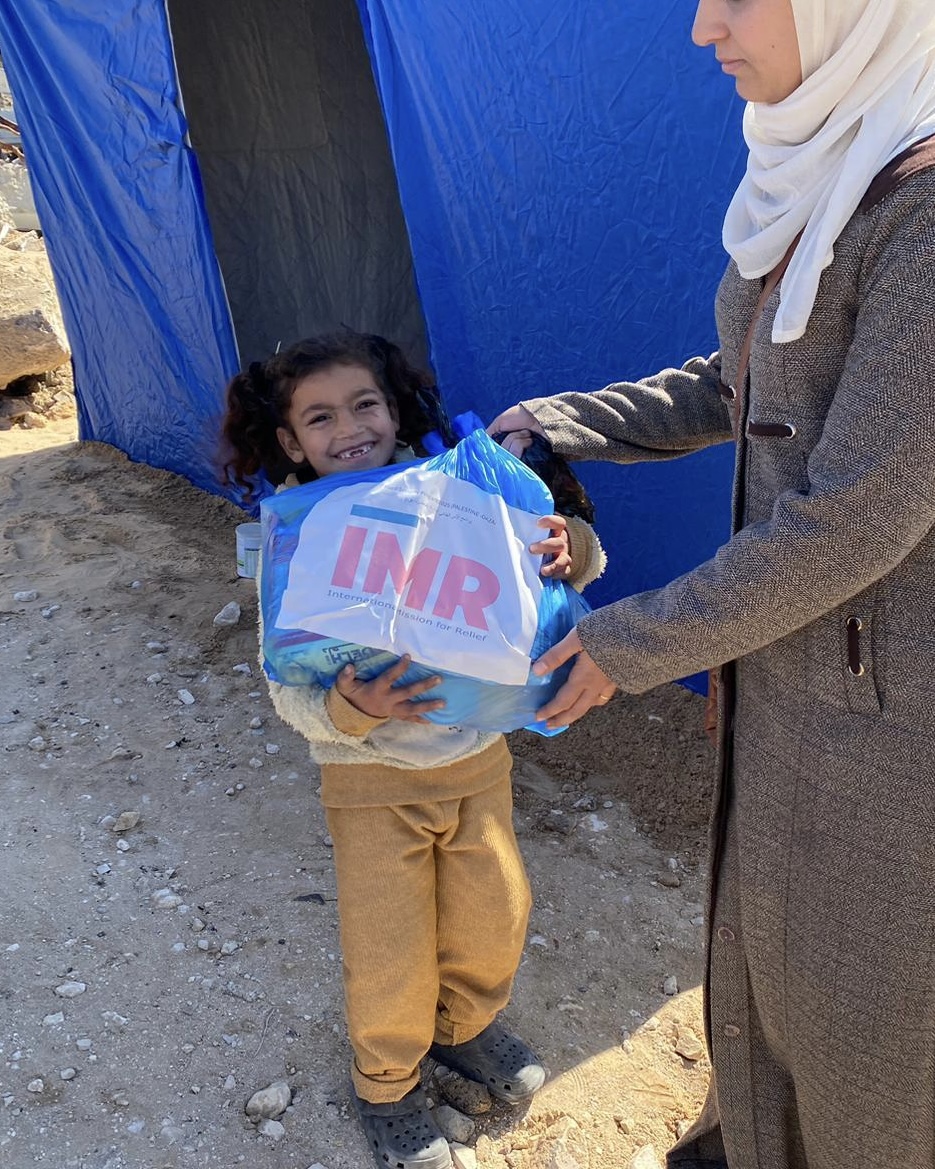
In vulnerable and crisis-affected communities, access to basic healthcare is often limited — leaving treatable conditions to become life-altering simply because care is out of reach. Conditions that are easily treatable can become life-altering — not because they are complex, but because care is out of reach. IMRelief steps into this gap — delivering healthcare and clinical nutrition support where health systems have been disrupted or weakened.
The Hidden Barrier
Health is not just medical — it is economic.
Preventable and treatable conditions can prevent individuals from working, learning, or caring for their families. Without access to care, illness becomes a barrier to stability and self-reliance.
Primary Healthcare Access
Keeping essential services available.
IMRelief supports healthcare facilities in crisis settings with:
Essential medicines
Medical supplies
Diagnostic equipment
Operational support
Where facilities are damaged, we work with partners to establish temporary or mobile health services — ensuring continuity of care when it is needed most.
Mental Health & Psychosocial Support (MHPSS)
The psychological effects of conflict and displacement are significant — yet often overlooked.
Unaddressed trauma in conflict-affected populations manifests as PTSD, depression, anxiety, behavioral disorders in children, and family breakdown. IMRelief integrates mental health and psychosocial support across all our programs through:
Community-based counseling and group support
Child-friendly healing spaces with structured therapeutic activities
Trauma-informed care training for community workers and teachers
Referral pathways to specialist mental health services where available
The Impact
Targeted health support creates lasting change. By addressing preventable conditions and improving access to care, IMRelief helps individuals regain independence and reduce long-term vulnerability.
Take Action
Help deliver essential care to those who need it most.
A child treated for severe acute malnutrition today does not just survive — they grow, learn, and contribute to their community for a lifetime.